Not known Facts About Permian Basin Pipeline Construction
Table of ContentsThe Of Permian Basin Pipeline ConstructionThe Only Guide for Permian Basin Pipeline ConstructionFascination About Permian Basin Pipeline ConstructionHow Permian Basin Pipeline Construction can Save You Time, Stress, and Money.The Definitive Guide for Permian Basin Pipeline ConstructionAn Unbiased View of Permian Basin Pipeline ConstructionSome Ideas on Permian Basin Pipeline Construction You Need To Know
Cured-in-place pipe (CIPP) is a trenchless technology made use of to set up water, drain, and various other pipes without needing major excavation or invasive excavating. The process begins by putting a lining right into the existing pipework, which is then loaded with resin that solidifies to form an irreversible pipeline within the existing pipe.At MaxLiner USA, we understand the advantages of utilizing CIPP, which include its affordability, rate, and marginal disruption during installation. This makes it an excellent choice for specialists, plumbings, companies, and municipalities looking to reduce downtime while setting up brand-new pipelines. One of the major advantages of CIPP is its expense savings on labor and tools, causing an extra economical solution than conventional pipe substitute methods.
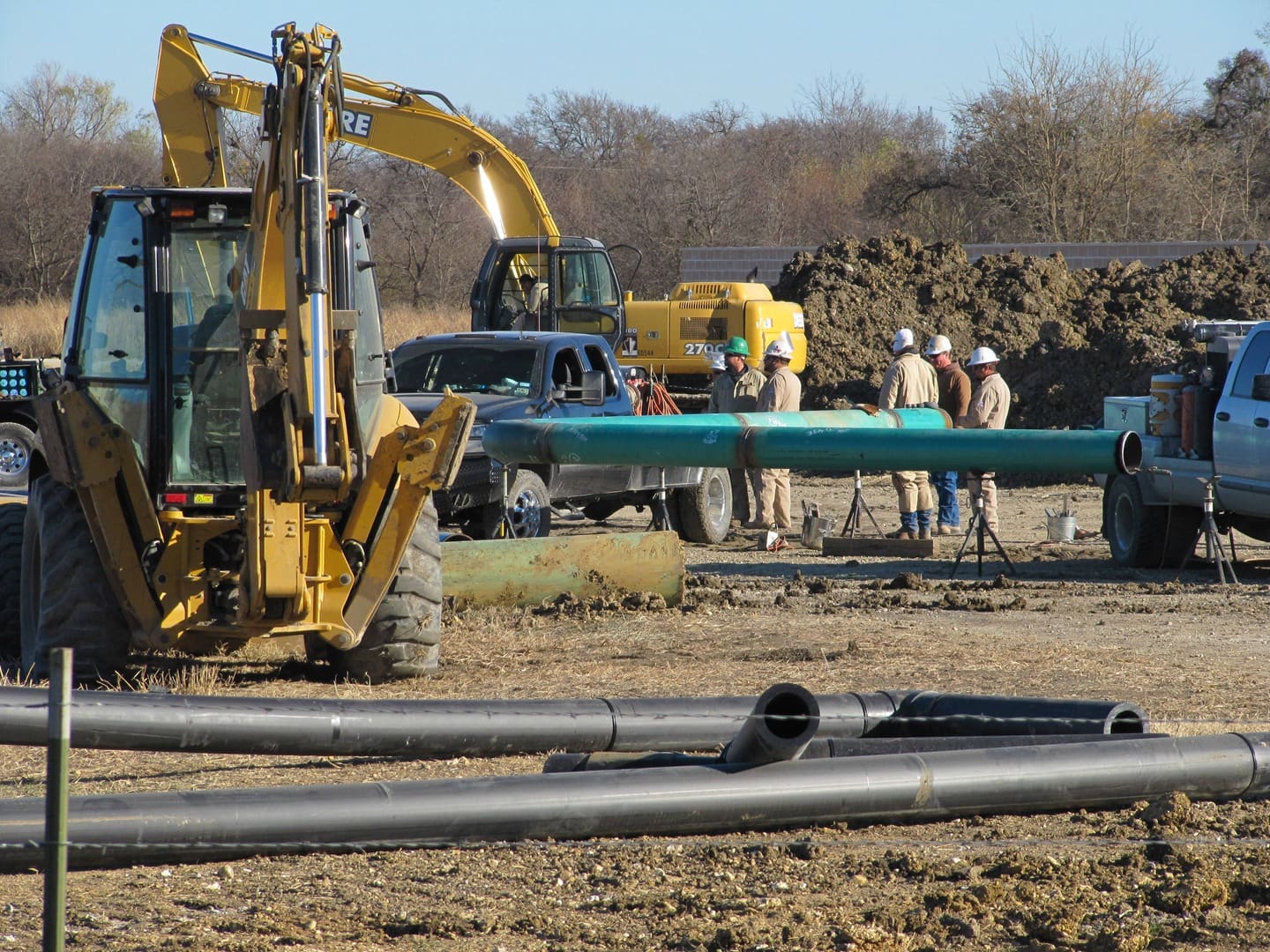
Rather, a lining is put right into the damaged pipeline and treated in position with warmth, creating a smooth repair service that supplies long-term security versus origin infiltration, rust, perforation damages, and other common issues with existing pipelines. Not just does this strategy eliminate the demand for considerable excavating, but it additionally eliminates the potential risks connected with unsafe waste removal.
Not known Factual Statements About Permian Basin Pipeline Construction
Therefore, prices often tend to be less than changing entire sizes of piping with open-cut setups even when considering the cost of liner materials. As a result of its reduced ecological impact and cost savings prospective, cured-in-place pipeline setup is coming to be progressively popular as a choice to standard fixing work in different industries.
When it comes to cured-in-place pipe (CIPP) installation, many advantages stem from its minimal time and expense. CIPP installations can be set up in a fraction of the time it would certainly take for conventional pipeline replacement due to the fact that no excavation is called for. Instead than digging right into the bordering soil and eliminating existing pipelines, CIPP makes use of advanced trenchless innovation to install resin linings or polyester fiber tubes inside existing pipelines
Not known Details About Permian Basin Pipeline Construction
This helps to decrease downtime and keep your job on course, resulting in time financial savings that would not have actually been possible with conventional pipe substitute systems. Whether removing smaller sized sections of piping or carrying out full relining jobs, this approach has specific benefits when it comes to cost. Not just is equipment rental gotten rid of since no excavation is needed, however so are website reconstruction prices since a very little surface repair service might be called for after installment.
For that reason, with very little time and expense needed for setup, cured-in-place pipeline setup is a fantastic choice for minimizing labor expenses without compromising top quality work. As we'll talk about in the following section, this kind of installment uses massive benefits when it pertains to reducing interruption around homes and organizations.
Excitement About Permian Basin Pipeline Construction
This trenchless installment is much easier to execute than standard pipe laying. As the name indicates, a lot of excavation and related website preparation is stayed clear of since the new pipelines are fed through existing avenues. This makes it possible go to this website to set up below ground pipes in a portion of the time required for the extra standard digging technique, which can create unneeded disruption to the atmosphere, local roadways, pathways, surrounding home owners, and so on.
In some cases, it may take a little bit of digging if these gain access to points are not already installed in existing maintenance openings or catch basins. The outcome needs to still be less turbulent than digging deep into lengthy trenches, but something to take into consideration before devoting to this setup (Permian Basin Pipeline Construction). On the whole, cured-in-place pipeline setup is viable when minimal disruption is preferred because the majority of the underground infrastructure stays intact while offering restored stamina and dependability to existing pipelines


The cured-in-place setup procedure begins with checking the pipeline concerned to establish whether any kind of damages exists or needs replacement. Later, if required, cleansing needs to take place inside the pipe to ensure that all product buildup is eliminated and all surfaces are smooth and uncontaminated prior to lining setup. As soon as these actions are completed, an unique resin-coated felt or hybrid really felt and fiberglass material is put into the pipe and evenly dispersed along its size.
Getting My Permian Basin Pipeline Construction To Work
Treating (either ambient, warmed water or air, or UV) is presented right into television when the lining installation is complete, treating and shaping the resin textile around the old pipe's form. It should be kept in mind that too much stress must be stayed clear of in all prices since it can trigger additional damage to the system.
This comprehensive section about the 'Cured-In-Place Installment Refine' has actually defined its step-by-step procedure. By understanding what enters into this procedure and its difficulties, we can appreciate how helpful it can be for many piping repairs - Permian Basin Pipeline Construction. Now let us proceed to discover what kinds of materials are used in this procedure in our following section
The Definitive Guide for Permian Basin Pipeline Construction
The ideal material can dramatically impact the work, including cost-effectiveness, durability, performance, and performance. Polymer linings are typically preferred for CIPP because they are highly long lasting and immune to corrosion and damage. They can additionally last anywhere from 10 to 30 years, depending on the quality of the materials utilized.
It is commonly less complicated, much less turbulent, and more affordable than traditional repair services. Among the major advantages of CIPP pipe setup compared to the conventional method read here of eliminating and replacing any damaged pipe areas with brand-new product is that CIPP pipe does not need digging or excavating the surrounding areas.
This minimizes the time and labor needed for complex restoration jobs. Ultimately, CIPP materials are thinner than sections of the brand-new pipe, so they require very little area while providing superior durability and resilience compared to various other approaches of repairing damaged pipelines. While CIPP installation uses some unique benefits over conventional approaches of repairing pipelines, it can have specific limitations relying on which type of specific scenario requires it.
Excitement About Permian Basin Pipeline Construction
Overall, CIPP pipeline installation provides numerous benefits when it concerns conserving time, cash, and effort during pipeline repair service tasks. These advantages make it an eye-catching option for those searching for quick yet trustworthy methods to resolve damaged pipes in your home or in organization setups. In the following section, we will go over an overview of cured-in-place pipe setup in higher information to offer you an even better understanding of its numerous advantages.